
The Humble Yet Potent Chess Pawn
The pawn is an incredibly important piece on the chess board, and not just because you have more of them than anything else. Especially at the elite levels of chess, a single pawn can be the difference between winning and losing. What square a pawn happens to sit on could change whether an endgame is winning or losing. If you are new to chess, understanding this simple piece can help you improve your game and start winning even more.

How Does a Pawn Move?
One of the very first things I teach beginner chess players is how the pawns move. In fact, I often have beginners play out a game against me with only the pawns, trying to see which player can get a pawn to the other side first. Pawns, of course, normally only move one square forward. But if that pawn has not yet moved, you can choose to move that pawn two spaces forward.
How a Pawn Captures
A pawn captures differently than it moves. Instead of capturing by moving forward, a pawn attacks one square diagonally forward. So, if a piece is in front of a pawn, it can no longer move forward. If there is something for it to capture on a square diagonal to the pawn, then it can move and capture that piece.


Chess Pieces: What Makes a Pawn Special?
The way that a pawn captures makes it different than all the other chess pieces. Normally, a piece captures the same way that it moves. Every other piece on the chessboard operates that way. Pawns, however, capture diagonally, while normally moving forward. How the pawn moves is not the only thing that makes this piece special, though. Something happens when a pawn makes it all the way to the other side of the board.
Pawn Promotion: Pawns Turning into Queens
When you get a pawn all the way to your opponent's side of the board, you get to do what is called pawn promotion. This is where a pawn can change into any other piece except another pawn or a king. Usually, a player will want to turn their pawn into a new queen, since that is the most powerful piece.
Chess Sets And Pawn Structures
As you get better and better at chess, you might start to learn about different chess openings. These are tried-and-proven ways to start a chess game. Different openings usually start with different pawn moves! E4, for instance, is a famous first move. Depending on how the pawns are moved in the opening of the game, the game could end up with a closed pawn structure or an open pawn structure.
Open
An open pawn structure means that the pawns in the middle of the board have probably been traded away, leaving an open middle of the board with no pawns blocking the other pieces. In these positions, Bishops are usually quite strong because they can attack through that open space. Rooks also usually like open files, where pawns are out of the way, and they can attack.
Closed
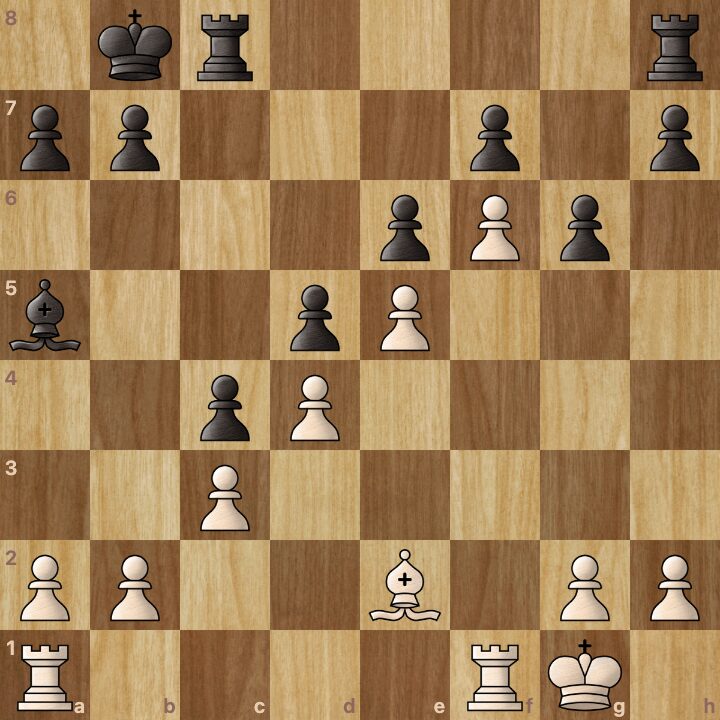
By comparison, a closed position is one in which the center is clogged with pawns. You and your opponent's pawns are locked up in the middle of the board, and pieces have a harder time maneuvering through the space. Knights, though, do well in these closed positions because they can hop around the pawns.
Pawns Creating Outpost Squares
In those closed positions, knights can sometimes jump to an outpost square. That is a square in your opponent's territory, where your knight is defended by a pawn and can’t be scared away by one of your opponent’s pawns. Pawns are great at supporting your pieces! They are excellent defenders, and they are also good at attacking your opponent’s pieces and making them move.


Pawn Endgames
A huge part of chess is the endgame, and in the endgame, pawns are vital! One or two pawns in the early or middle game may not seem like a big deal, but once you or your opponent has next to no pieces remaining, every pawn becomes game-changing! A big part of that is pawn promotion, as I mentioned before, but in order to promote a pawn, we can focus on getting a passed pawn.
Passed Pawns
Making a new queen is awesome, but the threat of doing so can also be a huge part of your endgame strategy. A passed pawn is a pawn with no opponent's pawn in front of it, or on the files next to it. It has an easier path forward to promotion. Getting a passed pawn in the endgame can be a difference maker. Not only can they become Queens, but they also force your opponent to stop you. A passed pawn can sometimes require all of your opponent's attention, while you are able to capture more of their pieces and get to an even more winning position.
Isolated Pawns
Not only are pawns game changers on the attack in an endgame, but they also can become targets for you. If your opponent has weak pawns that are not being defended by another one of your pawns, they can be attacked. A big part of chess strategy is identifying your opponent's weaknesses. Often, their biggest weakness will be a pawn.


Doubled Pawns
When two pawns of the same color are stacked on the same file, that is called a doubled pawn. Doubled pawns are often considered bad because they are harder to move and can get in their own way. If doubled pawns are in the middle of the board, they can be useful in defending central squares, but they will still likely become a target for you or your opponent, and are often a long-term weakness. When choosing how to recapture a piece, whether or not you end up with doubled pawns should be a part of your decision.
Tripled Pawns
Triples pawns are always bad. They are like doubled pawns, but even worse. Even if you technically have the same number of pawns, if your pawns are tripled, it completely changes the game.
Care About Your Pawns
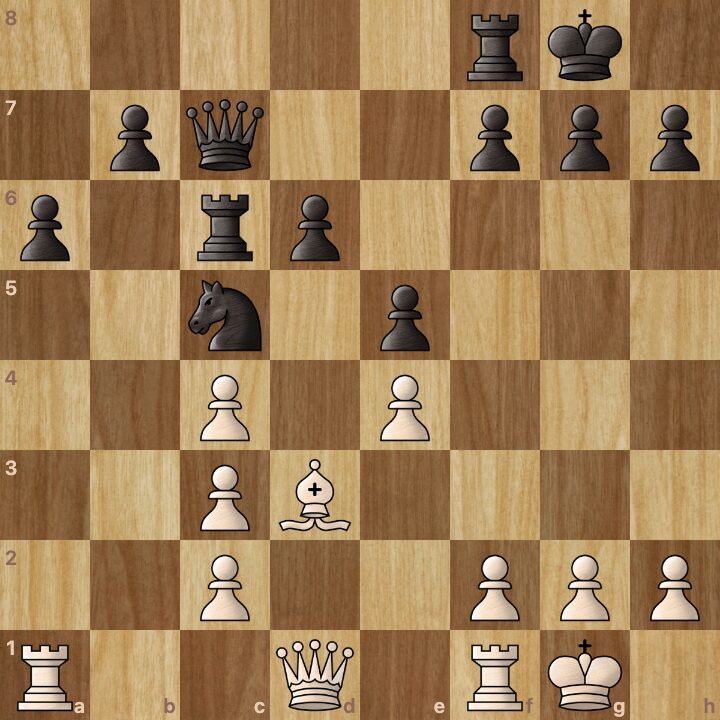
One of the biggest mistakes I see beginners make in chess is not valuing their pawns. They will make simple mistakes that give away pawns, without thinking twice. Even though a pawn is the least valuable piece, it is still important. Being ahead a pawn or two can be the difference between losing a game of chess and winning. Make sure your pawns are defended early in a game of chess, and towards the end, make sure you are aware of your opponents pawns as they march down the board and towards promotion.
Pawns Protect Your King
Another huge mistake I see beginners make is that they will move the pawns in front of their castled king. Think very long before you advance a pawn that is defending your king. Every time a pawn moves, is leaves weaknesses behind. This is true near your king, but also in the middle of the board. Always consider what squares are no longer defended when you are thinking of moving a pawn, especially if you open up squares near your king.
Pawn Sacrifices
I’ve talked about how important it is to protect and keep your pawns safe, but what about a pawn sacrifice? You have probably at least heard of the term “gambit” before. A gambit is when you give something away, in hopes of something better in return. Often, a gambit will involve sacrificing a pawn, but because you gain an improved position, piece activity, or other tactic. When it looks like your opponent is giving away a free pawn, take an extra second. Look around the chess board, and see what they may play in response. It may be that they just blundered a pawn, which happens all the time, but they may also be trying to develop their pieces quickly and start a fast attack.


Why Pawns Matter
Understanding pawns is like understanding chords in music, or learning how to hold a bat in baseball. You must understand the basics if you are going to succeed. To improve, you want to master the little things and the parts of the game that you use most often. In chess, that is the pawn. Every single game, you will move a pawn. In every opening, eventually, you will move a pawn. In most endgames, pawns will be involved. So learn them! Understand how they work, and how they can be working for you, instead of against you.