
Top 5 Rook Endgame Mistakes Made by Intermediate Players
Reaching an endgame in chess takes a lot of hard work, so it's no wonder rook endgame mistakes can feel so painful! One moment you’re set to clinch a win or a draw, and one false move later, you’ve lost the game.
To minimize the errors that could cost you more games needlessly, it’s a great idea to study common rook endgame mistakes and their antidotes so you won’t slip up next time. Here are five essential ones for intermediate and club-level players, starting with the simpler principles.
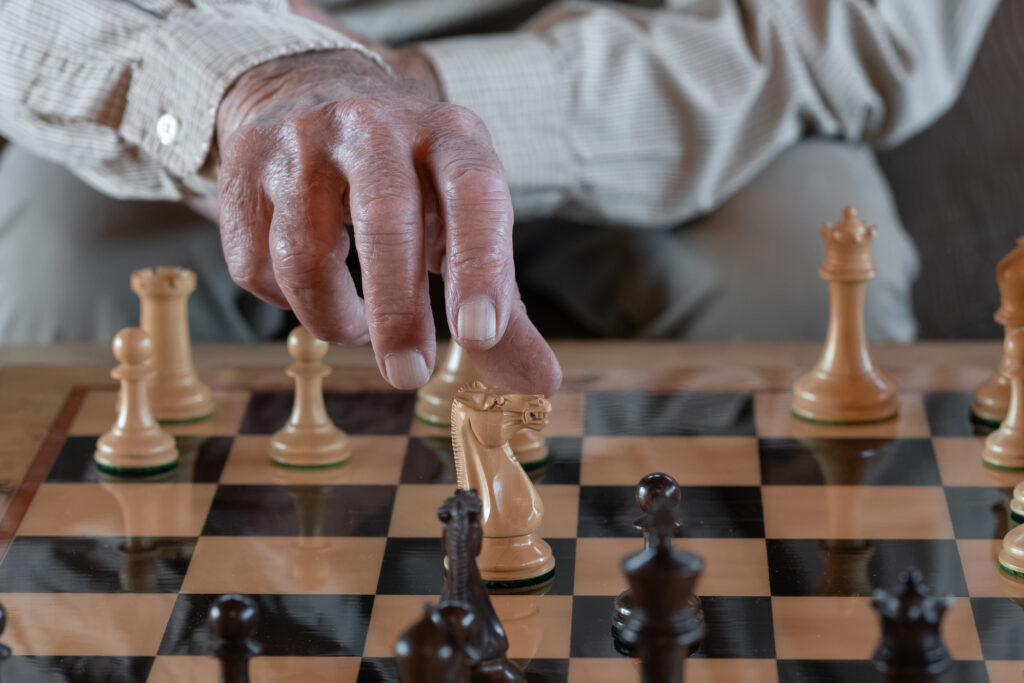
Mistake #1: Rook In Front of a Passed Pawn
One of the most crucial rules in rook and pawn endgames is: Rooks Belong Behind Passed Pawns (RBBPP). Also known as the Tarrasch Rule, it reminds us that rooks best support passed pawns from behind—where they don’t stand in their path to promotion.
Rooks behind passed pawns also increase the scope of the rook as the pawn advances, rather than shortening it. Remember, the Tarrasch Rule applies to both sides! When defending against a passed pawn, you also want your rook behind the pawn's advance.
You've likely heard this rule before, yet how many times have you found your rook stuck on the last rank, obstructing your pawn that’s just one move from promotion? In the example below, White hasn’t followed the Tarrasch Rule and has its rook stuck in front of its passed pawn. Can you see any way for White to force a win?
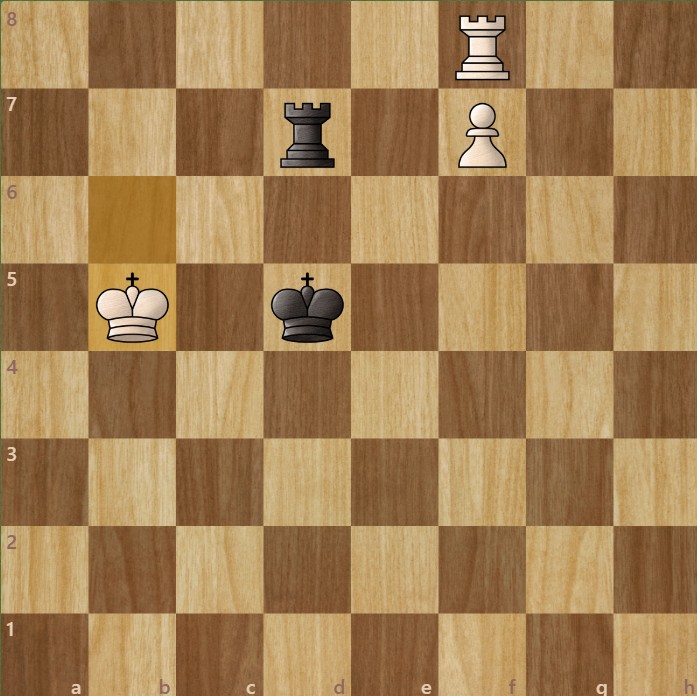
If you couldn’t find a way for White to force a win, that’s because there isn’t any! As long as Black’s king remains on the d-file, White cannot find a check to safely vacate f8. Black’s king also prevents White’s king from crossing the d-file from where it could support the pawn toward promotion.
These classic theoretically drawn positions can often be avoided by planning ahead and following the all-important Tarrasch Rule!

The Broadbent Series Chess Pieces - 3.0" King

The House of Staunton *NEW* Fitted Coffer Chess Box - Red Burl

DOWNLOAD - Chess King Learn Beginners 6 - Forever Pack All Platforms
Mistake #2: Skewered King!
In rook endgames, skewering a king against a piece or even a pawn is a classic tactic that can decide the game's fate. To guard against potential skewers, you must be very careful when placing your king on or near the same rank or file as an undefended piece or pawn.
In the example below, White has just pushed its pawn up to c4. While it may look like a free meal for Black’s rook, capturing it would actually place the rook on the same file as the king. Can you see the consequences?

If Black captures the pawn, White simply plays Rh4+ and skewers the king to win the rook and the game. Because this is a common mistake in blitz and bullet games, it's often worthwhile using a piece or pawn to ‘bait’ your opponent into a potential skewer. In some instances, it’s also a nice tactic to simply advance a pawn without the threat of capture.
Other times, look out for checks that might force your king into a skewer. In the example below, can you find Black’s way to win White’s h3 pawn in three moves?

Answer: With ...Rb4+, Black forces White’s king onto the 3rd rank. Now ...Rb3+ skewers the king to the h3 pawn. Once you keep an eye out for these tactics, you’ll not only know how to avoid them but also how to catch your opponent out, too!
Mistake #3: Failing to Cut Off the Enemy King
In rook endgames, a king can be as valuable as a rook, or sometimes even more so. Because they can move one square in any direction, kings are adept at helping pawns advance toward promotion, as well as scuppering an opponent’s pawn promotion plans. Their biggest weakness, however, is that they can't move into check!

The Camaratta Collection - The Botvinnik Flohr Series Chess Pieces - 4.0" King

Leap Digital Classic Chess Clock

US Chess Premium Chess Box
Cutting off the enemy king with a rook is an essential endgame strategy, especially when either side has a passed pawn it's trying to promote. In this example below, it’s White to move. White has a passed pawn on the e-file. Black’s king and rook could combine to prevent pawn promotion, so what should White play now?

Many beginner chess players make the classic mistake of pushing the pawn too early. It’s just so tempting to see the pawn one square closer to promotion! In this case, it would have drawn the game. By moving its king toward the pawn and checking White’s king, Black can win the passed pawn. For example: 1. e5 Kd5 2. Kf4 Rb4+ 3. Kg5.
The right answer was Rd2! By cutting off the enemy king from reaching the e-file, White ensures that its passed pawn can march up the board without hindrance from Black's king. Although Black can delay progress with constant checks, it cannot prevent the pawn from eventually queening. The key to finishing the job is keeping the rook on the d-file. This way, the enemy king can't infiltrate and spoil your plans.
Mistake #4: Trading Rooks in Losing Pawn Endgames
Another common error in rook and pawn endgames is needlessly trading rooks before losing in a king and pawn endgame. Remember, rooks make the game more flexible and dynamic. If you’re down on pawns or your king is poorly placed, you’re more likely to achieve a draw with your rook still on the board.
In the example below, Black is in a perfect position to achieve a draw. White’s a-pawn is effectively blocked from achieving promotion, and both of Black's pawns are protected from White’s king.
All Black needs to do now is move its king back and forth to prevent White from winning. And yet how many players would be tempted to capture White’s a6 pawn and allow the rooks to be traded off? Can you see the perilous danger of doing so?

After the rooks are traded off, Black’s king is too far away to stop White’s king from capturing both pawns. White can then go on to promote its remaining pawn. Always think twice before swapping off rooks in the endgame, and do your pawn-race calculation before committing!

The Harrwitz Series Timeless Chess Pieces- 3.5" King

Super Deluxe Tournament Director Kit

Large Wedge Chess Clock Carrying Bag
Mistake #5: Failing in the Philidor Defense
Rook and pawn endgames are so difficult to calculate that it can be prudent to learn some commonly occurring positions to convert a win or a draw when it's theoretically possible. The Philidor Defense is an exemplary endgame motif that achieves a draw by preventing an opponent's pawn from queening.
In the position below, if Black doesn’t know the Philidor Defense, they’ll likely try to keep their rook and king on the back rank. If they do, White can eventually force a back rank skewer to win Black’s rook. So learning this endgame technique can be the difference between losing and drawing. Instead, a learned player will enter the Philidor Defense by moving the rook to the sixth rank.
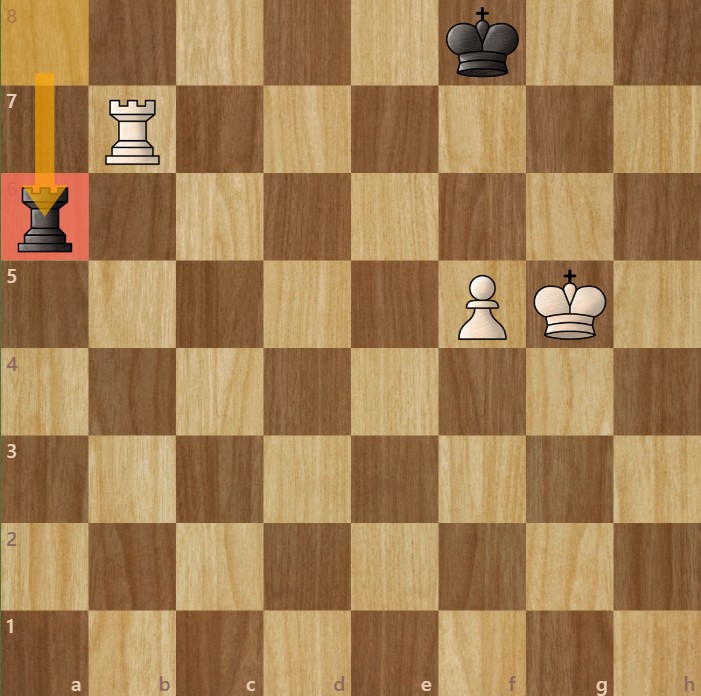
Now, White’s pawn is effectively prevented from ever reaching the seventh rank. Why? If it reaches the sixth rank, Black simply moves its rook to the bottom of the board and delivers endless backward checks on the king. The king now simply has nowhere to hide from checks without leaving behind the precious pawn!
The Philidor Defense is only necessary on the c-, d-, e-, and f-files. On the a-, b-, g-, and h-files, you can effectively prevent promotion simply by keeping your king and rook on the back rank. Your opponent simply doesn’t have enough space to skewer your rook!
Rook Endgame Mistakes – A Brief Recap
Rook and pawn endgames are not only the most common type of chess endgame but also one of the most challenging of all scenarios in chess. Because calculating every possible move is extremely difficult, it’s worth learning essential principles to prevent a needless blunder or draw.
Remember:
- Keep your rooks behind passed pawns
- Always beware of king skewers
- Cut off the enemy king promptly where possible
- Calculate carefully befo