
Tips to Control Your Emotions for Chess Players
At the Norway Chess 2025, GM Magnus Carlsen made the mainstream news for an unusual reason. After losing his classical match to GM Gukesh Dommaraju, Carlsen slammed his fist on the table hard enough to make the pieces jump. Though the former world champion recovered quickly and apologized, news of his “table slam” lit up the chat boards for weeks. His outburst highlighted one of the truths of chess. Chess can be just as challenging for chess players emotionally as it is mentally!

Why Does Chess Make People Emotional?
Chess is often referred to as a sport. Valid! Chess requires training, mental and physical discipline, and commitment, just like all sports. And, like all sports, it can be exhilarating and heartbreaking all in the space of a couple of hours. The highs and lows of competitive chess, along with the intense focus required to play, make for some equally intense emotions. Chess players tend to be perfectionists as well. Any mistake can throw you off if the only acceptable performance includes none.
Negative Emotions in Chess
There are three main negative emotions in chess:
- Anxiety: It’s normal to have some nerves going into a chess match, and many experience a few butterflies in the stomach or jangly nerves. You want to do well; you’ve prepared, but no one can know what the day's outcome will be. High levels of anxiety can distract you from your game, however, by fracturing your concentration or forcing errors.
- Anger: Anger usually comes from sustained tension, anxiety boiling over, or situations with your opponent. Tension builds over the course of a game without an outlet. Anxiety may overwhelm a player to the point where they lash out. Sometimes an opponent is rude or disrespectful. An obvious catalyst for anger is a rule violation or suspected cheating. Controlling your temper under pressure can be tough.
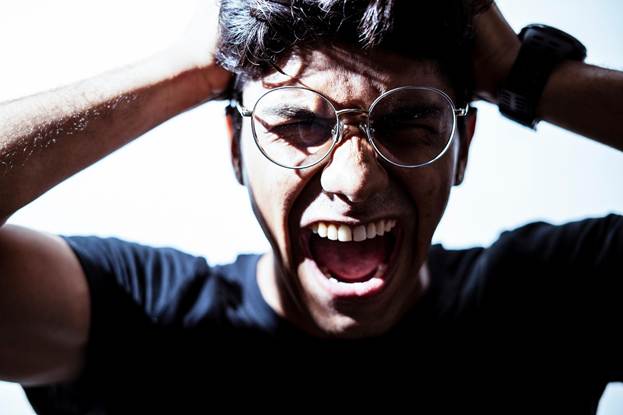
- Disappointment: If the day doesn’t go your way, it’s normal to feel disappointed or sad about the outcome. In high-stakes games, it can be crushing to lose after weeks of preparation or a hard-fought tournament bracket. Childrens’ tournaments almost always have a few tears from the kids who lose. Adults are not exempt from those same emotions. GM Vasyl Ivanchuk broke down after losing the 2024 World Blitz Championship to GM Daniel Naroditsky on time.
Of course, it’s not all negative. There’s also delight and even elation after winning a tough game. Many players feel a sense of calm focus while they play. Chess should make you feel a wide range of emotions, including positive ones.

The Burnt Reykjavik II Series Chess Pieces - 3.75" King

Tap N Set Pro Digital Chess Clock - with DOUBLE DISPLAYS
Thinking Ahead
There are things we all know affect mood and ability to control emotions effectively, but it bears repeating: Make sure you get enough rest, eat properly, and hydrate.
Sleep is important for emotional regulation. Plan your schedule and any travel to get the maximum amount of sleep the night before a match. Exhausted minds make impulsive decisions—something you want to avoid!

Eating well can help you avoid two known mood wreckers, the dreaded state of “hangry” and blood sugar spikes. Since the schedule and food options may be unpredictable, snacks are key. Good snacks have protein and fiber, like string cheese, nuts, and raw veggies or fruits. Avoid sugary drinks and junk food that spike blood sugar (and anxiety).
Drinking enough water can be tough, especially if you’re travelling. Dehydration can hinder your performance and your ability to stay calm and focused. Start the day before with a few extra glasses of water and drink a sensible amount during the day. The irritability or anxiety your body has when it’s craving water is a distraction you don’t need.
Strategies for Making It Through the Match
During a match, it’s common to go through a range of emotions. Crashing out at the board can have serious consequences, though. Fair play rules in chess prohibit cheating first and foremost, but they also demand that every player be treated with dignity and respect.
Situation Normal: You Messed Up
Oh no! YOU BLUNDERED. It happens to everyone. The immediate feeling in the pit of your stomach may be dread or despair, or disappointment in yourself. Take heart! A chess blunder does not mean you’ve automatically lost a game, though that is sometimes the outcome. You may still fight your way back, or an overconfident opponent may make their own blunder to even things back up.
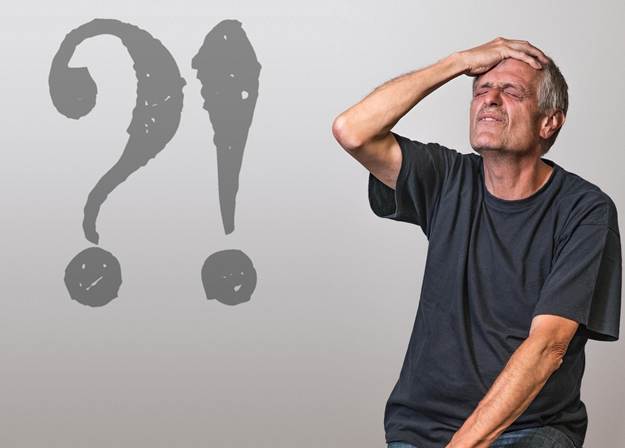
You can also miss an opportunity without making an outright blunder. Chess blindness refers to a player losing track of their position on the board. It can look like leaving one piece hanging, or it can be overlooking entire lines of play. This kind of mistake happens to world champion players who’ve played chess for many years.
Tournament chess can require players to endure many games in a row on the same day. Each game has its own emotional landscape. There’s an art to confining each game to its own space and starting fresh with the new one, and it’s a huge advantage if you master it. Most of us struggle with shaking off a bad match, though.

The Library Collection - The Anderssen Dropjaw Series Luxury Chess Pieces - 3'' King

The Large Ultimate Chess Bag

The Burnt Golden Rosewood Grandmaster Series Chess Set, Box, & Satin Board Combination
Tips for Recovering Your Chess Zen
- Control Your Breathing: One very effective calming strategy is controlled breathing. Deliberate breath patterns can disrupt an anxiety spike and reset your nervous system. Breathe in through your nose for a slow count of four, hold your breath for four, breathe out for four, hold your breath for four, and repeat. This “box breathing” technique can be done inconspicuously while you or your opponent contemplate a move. This one is great for anger and frustration also. Try it in traffic!
- Positive Self-talk: While you can’t recite your affirmations out loud, you can give yourself an internal positive pep talk during a game. Remind yourself that you are prepared, you belong at the chess board, and you have all the knowledge you need to play well.
- Visualize Success as a Process: During a game, it’s easy to feel like any mistake, no matter how small, is the beginning of failure. Chastising yourself may keep you from recovering. Instead of thinking of your game as a straight line that can be derailed, think of it more like a dance or martial art. A step back can turn into the next move forward. It may be more elegant than your original strategy!
- Focus on the Present: This may seem counterintuitive, as chess is all about anticipating the next move and planning winning strategies. However, if you find you’re catastrophizing a bad result, you may be losing sight of that winning thread. Instead of predicting disaster, narrow your focus. What’s your next best move? It’s entirely possible to play out of many bad situations just by avoiding additional errors one good move at a time.
- Recharge and Reset: If you’re in a long day of games, the time between games can be just as important as time at the board. While it’s tempting to post-mortem your previous games or study for upcoming matches, don’t neglect your emotional health. Have a snack and drink some water. Go outside and take a short walk or sit in the sun. Finally, let go of the results of any previous matches as nothing you do will change it. Forward!

Chess Players: After the Match Don’t Go Away Mad, Just Go Away…With Civility
One of the cardinal etiquette rules in chess is to offer a congratulatory handshake and acknowledge a good game, win or lose. Players who stomp away from the board, (worse) throw pieces, or shout are showing poor sportsmanship. They may even be sanctioned or asked to leave a tournament. Keeping your cool is an important conclusion to every game, even if all you can manage is a tight smile and a handshake.
One strategy in psychology is to “act opposite” when emotions are roiling. Feeling upset, mad, angry, disappointed, or sad, but you want to leave the board on the right foot? Temporarily switching your outward demeanor to an opposite emotion can both calm your nerves and prevent you from damaging your reputation or relationships. At the end of the game, literally “putting on a happy face” for a few moments might be the start of settling those emotions until you can process them in private.
Briefly, it’s also bad form to gloat after winning a match. Remember to congratulate your opponent and keep any celebratory whoops of delight to a minimum.
A Matter of Ethics
What if you think your opponent violated fair play guidelines and cheated or manipulated the outcome? Concerns like these should be raised with the tournament director (TD) following whatever process the director has communicated. Some things that may help you keep your cool in this very not cool situation:
- Leave room in your analysis for your own possible error or misunderstanding until the facts have been reviewed.
- Do not confront the other chess player directly after the match.
- Take a few minutes to calm down and review your evidence before speaking to the TD.

The Cooke Series Luxury Chess Pieces - 3.6" King

The Millennium King Competition Chess Computer

Premium Chess Box - Bubinga Burl
Raising an allegation of cheating is a serious step and should not be done in the heat of anger. Remember: Don’t take your accusations to the court of social media. It can make a tough situation worse or create a problem where none existed. Deep breaths with your phone firmly in your pocket will serve everyone better.

Chess Can Build Your Emotional Regulation Skills
Emotional regulation is a skill that gets more robust with practice. Confronting frustration, anxiety, perfectionism, and even anger in the context of a game of chess can build those skills in every aspect of your life. Next time you’re confronting uncomfortable emotions at the chess board, use our tips to keep your emotions in check.
Frequently Asked Questions:
Generally, the top three players mentioned are Garry Kasparov, Bobby Fischer, and Magnus Carlsen. The nod currently belongs to Garry Kasparov in most rankings. Kasparov was World Champion from 1985 to 2000, playing brilliantly over the course of decades against a wide range of top opponents. While Fischer may have been more gifted, he didn’t have a comparably long period of consistent results. Magnus Carlsen has the highest ELO rating of all time, at 2882 (2014), and certainly has the chance to surpass Kasporov during his ongoing career—it’s just too early to say. Sadly, we can’t bring historical figures like Paul Morphy back to fairly evaluate how they would rank, or the list might have some upsets.
Chess is a certified brain-builder. Studies show that regular chess practice improves cognitive function, memory, short-term focus, and emotional regulation. Children and adults who play chess regularly score better on many cognitive measures related to analytical thinking and memory. Studies have shown chess to be valuable in staving off dementia for older folks. It’s even been shown clinically to help with ADHD symptoms! There aren’t many hobbies that are scientifically proven to be so good for your brain as chess!
Control the Center: Make sure your initial moves focus on controlling or protecting space in the middle of the chess board.
Castle your King: Don’t forget to castle your king at the earliest opportunity. This protects your king and brings your rook into play.
Connect your Rooks: Two rooks working together can control a large area on the chess board. Your rooks can create many patterns of mate and checkmate when both are in play in harmony, so keep them close and partnered up.