
7 Ways To Make Mastering Chess Easier
Mastering chess is a herculean task. At every turn, there is a new tactic, strategy, and endgame to learn and perfect. How do you tackle such a massive task? You have to focus on the right training methods and make sure you aren’t missing any important areas of study. If you are a beginner to chess, and you focus on these important areas, you will improve at the game. It won’t be overnight, but with consistent practice in these areas, you can get closer to mastering the unmasterable game.
The First Steps to Mastering Chess
When you first start mastering chess, it may feel like there is a sea of unsolvable problems: Strategies that are unknowable, openings that are impossible to memorize, and an endless amount of checkmate patterns. Before you can begin mastering the game, you must master the basics. But how? What does it take to be a master of the basics of chess?
1. Learn Chess Tactics
If you already know how the pieces move and the basics of check and checkmate, the next step to mastering the basics is to learn tactics. By learning chess tactics, you give yourself an arsenal of weapons to unleash against your opponents. Weapons that, if you are playing another player familiar with chess, they will have at the ready. Not only do you have to be ready to attack using tactics, but you also need to understand them to defend against tactical threats.
What are Chess Tactics?
A chess tactic is a short-term plan based on winning material or getting a winning position. Oftentimes, these plans involve forcing moves. A forcing move is a move that your opponent cannot ignore. There are three types of forcing moves, and all three can be used in chess tactics: 1. Checks. 2. Captures. 3. Threats.

The Library Imperial Collector Series Luxury Chess Pieces - 3.0" King

Luxe Premium Chess Box - Amboyna Burl

The House of Staunton DELUXE Tournament Bag
Checks
A check is a forcing move because, by the rules of chess, the other player must respond. If there is a way to escape that check by either running away, blocking, or capturing the checking piece, then they must do so. You are not allowed to leave your king in danger. If there is no way to escape that check, then the game is over via checkmate.
Captures
A capture is another kind of forcing move. Material matters in chess. If your opponent captures one of your pieces, you are likely to want to recapture; otherwise, you will have a weaker army than your opponent. We can use this need to recapture material to play a forcing move. If the opponent cannot recapture because of a bigger threat, then you will have won material and should be in a winning position.
Threats
You can also force your opponent to respond by playing a move that immediately threatens something. If you threaten checkmate, your opponent cannot afford to ignore your threat, or they will lose the game. Therefore, they cannot afford the time, or tempo, required to do anything else that they might want to play because they are forced to respond to your threat. A check is a more forcing move because, by the rules of chess, they are forced to respond, but a capture or threat can still be an effective way to find a tactic.
How to Practice Chess Tactics
The best way to master the basics of chess is to practice your tactics. You can do this by using online platforms like Lichess.org or Chess.com, or pick up a beginner tactics book. Most chess websites like these will offer beginner puzzles. Once these tactics become instinctive, you will start to spot them in your games, and they will help you get to winning positions in no time.
2. Understand the Opening
Understanding your priorities should be in the opening of a chess game, which can help level up your game. Even if you think you already know how to play chess, without understanding the basics of opening strategy, you could end up in a worse position than your opponent in as little as three moves. You don’t have to have pages and pages of opening theory notes memorized, but you do need to understand the dos and don’ts of the opening.
Control the Middle
Controlling the center enhances your pieces' influence over the board. When you put your pieces more towards the middle, they are ready to move more quickly to where you may need them, either to defend your king or attack your opponent. Putting your pieces on the side of the board means that if they are needed on the other side, it will take more effort to maneuver them. Similarly, if you leave your pieces on their starting squares, they won’t be ready to be a part of your strategies when you need them. We also want to put a pawn in the middle of the board to control the center and prevent our opponent from completely dominating the board.

The *NEW* Austrian Coffeehouse Series Chess Pieces - 4.0" King

DGT 3000 Digital Chess Clock

The Camaratta Signature Championship Chess Table - Dark Brown
Developing Your Pieces
By pushing a pawn to the middle of the board, we also prepare ourselves to develop our pieces more quickly. You should try to start by developing your knights and your bishops into the game as quickly as possible. If left on their starting squares, these pieces are not helping you control the board! Once those pieces have been developed, then you are more ready to attack your opponent and defend your own king if need be. Once your knights and bishops have moved out of the way, you are ready to castle your king!

Castling Your King in Chess
If your king remains protected, you can attack freely without risk of counterattack. Keeping your king safe helps you avoid falling into tactical traps. Castling is a move that helps protect your king by moving it from the center of the board to a safer position. It involves shifting your king two squares toward a rook, which then moves to the other side of the king. This can be done in either direction if you follow the proper rules.
3. Playing Lots of Chess
The one problem I see most often among students who want to master chess but fall short is that they simply do not play enough. If you want to master an instrument, you would need to put in hundreds and hundreds of hours playing that instrument! Chess is the same. You will never get better at chess if you don’t put in the hours of actually playing.
Ways to Play to Help You Master Chess
You can play chess online at any time of the day! Chess is more accessible now than ever. If you want to play a competitive game of chess, you can do so at the drop of a hat and the click of a mouse. You can also find local chess clubs in your area that offer tournaments. Playing longer games is a great way to improve because it forces you to really think through your moves and use what you are learning in your real games.
4. Chess Training by Studying with Others
Mastering chess will always be easier if you have fellow students studying the game along with you. You don’t have to play just chess bots or others online! This is another great reason to seek out a local chess community so that you can find other players in your same rating range to practice with. Going over your games together can be an awesome way to learn and improve. Try setting up a difficult chess puzzle on a real chess board and studying that position with your friends!

The Bohemian Series Chess Pieces - 4.0" King - Lacquered

DOWNLOAD - CHESSBASE '26 - Premium Package

The Millennium King Competition Chess Computer
5. Being Comfortable in the Endgame
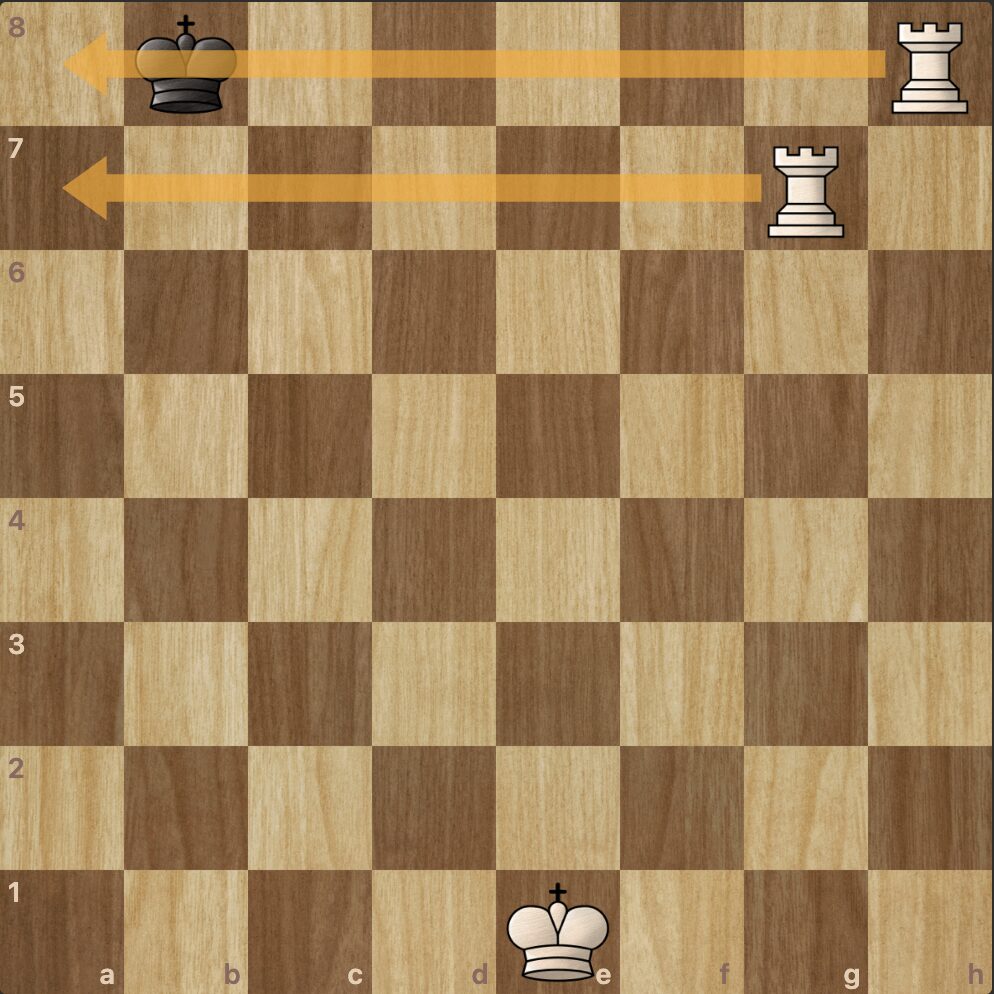
Endgames are one of the most complicated parts of chess. But if you are going to get closer to mastering the game, you have to be more comfortable in the endgame. To start, you need to have a good grasp of the basic checkmate patterns. That means checkmating when you only have a king and queen, a king and rook, and so on. After that, you need to be comfortable winning more complicated pawn endgames as well. Once you have that comfort level with endgame situations, you will be better prepared to trade down into a winning position.
6. Knowing When to Trade with Other Chess Players
I used to joke with my own chess teachers that you should “always trade” your pieces. In reality, it is a temptation for most improving players to immediately simplify the position and move into an endgame. Now, if you know for sure you are simplifying into a winning endgame, then that can be a winning idea, but most beginners want to trade just to reduce the number of options that they have. Trading makes the position feel easier to understand, even when it isn't.
Trade When Ahead Material
If you are ahead in material, that can be a good time to trade your pieces. But be careful; you might have a strong attack using your piece advantage, and if you trade, you may give up that advantage. If you are down in material, then be very wary of trading and making it easier for your opponent to reach a winning endgame.

The Camaratta Collection - The Botvinnik Flohr Series Chess Pieces - 4.0" King

Leap Digital Classic Chess Clock

US Chess Premium Chess Box
7. Consistency When Mastering Chess
The true secret to mastering chess is hard work over time. If you are not consistent with your study plan, your effort, and the number of games played, then you will not achieve mastery. By putting in hard work over a number of years, not just months, you will start to see progress. There will be ups and downs in your rating, but if you maintain a consistent amount of time put into this game, it does reward you. So don’t give up. Keep your eyes on your goals. Remember to be consistent and have fun.